
As a wellness journalist, I keep seeing something interesting in British spas https://20superhot.net/. That peaceful gap between treatments isn’t just dead time anymore. More often, it’s a chance for a bit of fun, and digital games are stepping in. This piece explores how the idea of ‘waiting’ is shifting, with the 20 Super Hot slot as a perfect, modern example.
The Development of Spa Waiting Areas in the United Kingdom
In the past, you’d know exactly what to expect in a United Kingdom spa lounge. Soft voices, a pot of herbal tea, a stack of magazines. The aim was a quiet, smooth shift from one treatment to the next, maintaining that cocoon of calm intact. But today’s guests have connected lives, and that’s slowly transformed the vibe. Spas have observed, realizing that those in-between minutes still count towards the customer’s day.
This shift does not concern shattering the peace. It’s about offering options. Now, lots of spas create discreet, cosy corners where you can unwind, zone out, or check your phone. The point is offering you the choice. You determine how to use that time, whether you wish to unplug completely or send a quick message.
Client Demographics and Expectations
Desiring internet access during a wait starts with younger clientele, but it’s growing prevalent for people of all ages. Younger clients jump into gaming without a second thought. But I have also observed older clientele use the time for Facebook, scanning news updates, or doing casual puzzles.
In the UK market, people anticipate privacy and a certain standard. How you spend your wait is a private choice. The most successful spas provide the groundwork—strong Wi-Fi, cozy chairs, accessible power sockets—without actively promoting phones on anyone. This way, they preserve their brand’s tranquil essence while nodding to how people actually live now.
Grasping the ’20 Super Hot’ Craze
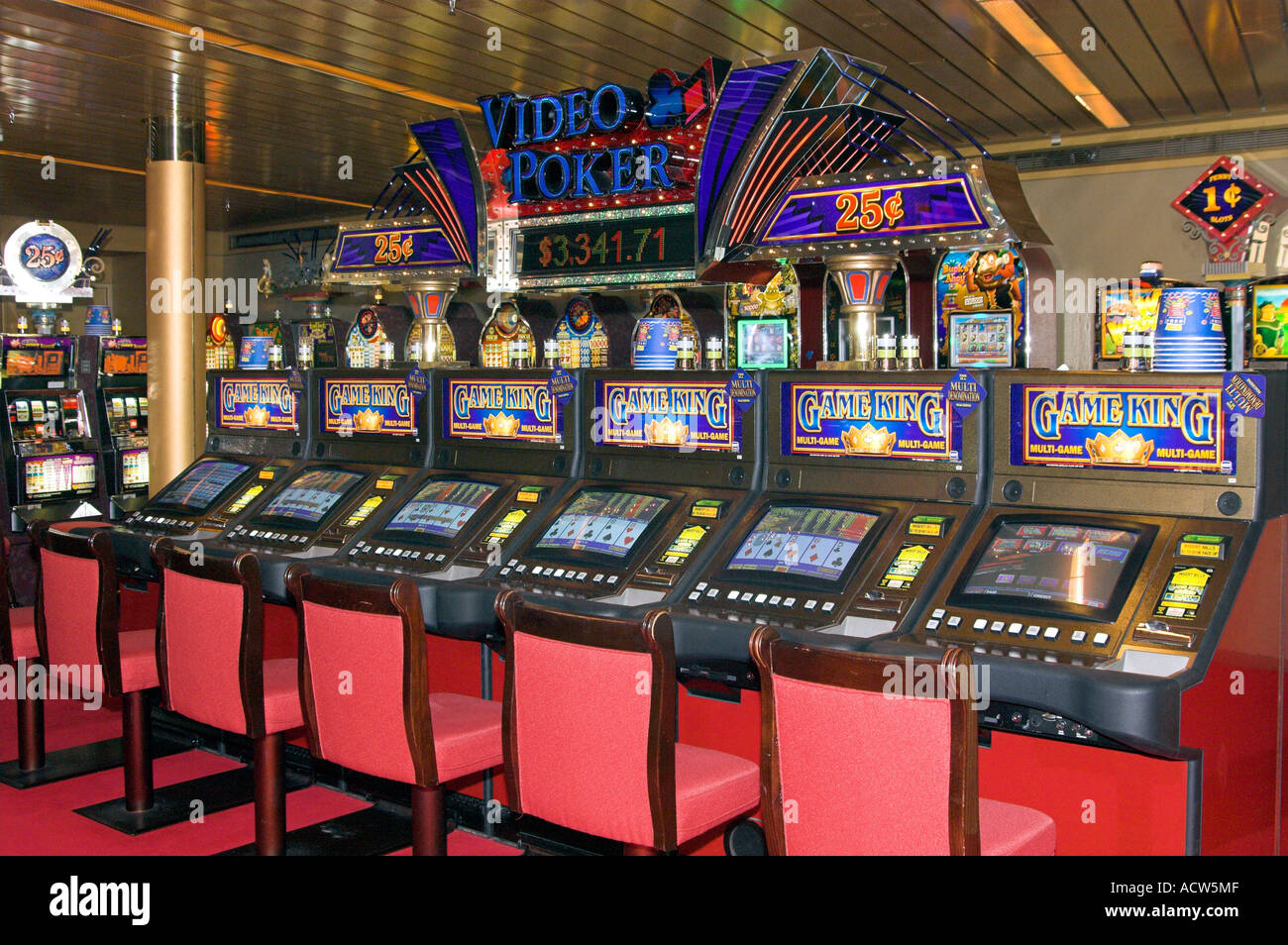
20 Super Hot is a classic online slot, all about fruit and basic, retro style. People love it because it’s easy to learn and moves fast. You get a solid hit of entertainment in just a handful of minutes. That’s what makes it so ideal for filling a short gap. It’s a entire little experience that starts and finishes quickly.
Inside a spa, the game creates a amusing contrast. Its vivid, colourful symbols are the antithesis of the usual soft, neutral tones. For particular guests, that jolt of stimulation works as a mental reset button. It can empty your head before you sink back into deep relaxation, an idea that’s getting to make a lot of sense.
Why Short-Form Entertainment Works
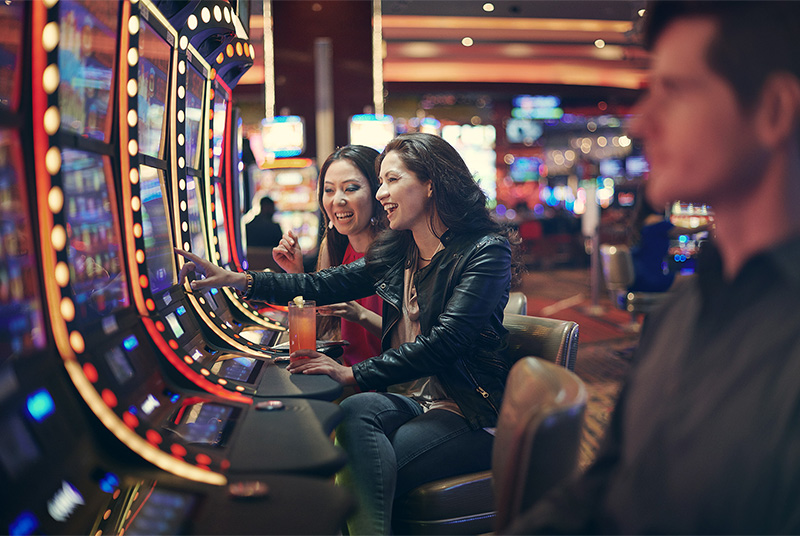
Let’s say you have a massage booked, then a facial afterwards. You might have 15 to 30 minutes in between. That’s too short for a full activity, but it’s plenty for something compact. A few spins on a game like 20 Super Hot gives you a clear beginning and end. It fills the time well, with little danger of you getting sucked in and losing track.
This aligns how many of us in the UK use our phones anyway. We play games during the commute, in queues, or in waiting rooms. The spa lounge is just another one of those pauses, even if it’s wrapped in a wellness setting. The beauty is it’s personal, silent, and contained. It doesn’t have to break the spa’s quiet atmosphere.
Balancing Digital Leisure with Wellness Intent
So, how do you reconcile screen time with a wellness journey? Some may claim games disrupt the therapeutic effect. But from speaking with spa managers, the main attitude is one of no judgement. The top priority is a content client. If a few minutes of digital play supports that, they’ll allow it.
Think about what spa relaxation really is. It’s often an retreat from everyday pressure. For some people, a playful distraction helps compartmentalize work worries or a mental to-do list. It can clear the mind, making it easier to be fully present for the next treatment. It functions less as a contradiction and more like a tool for changing mental state.
Day-to-Day Management for UK Spa Managers
Making this work needs some real-world thought. First and most obvious: consistent, free Wi-Fi everywhere guests go. That’s just essential now. Furniture needs to adapt too, with little side tables or ledges for placing a phone and a teacup, all without ruining the calm atmosphere of the place.
Training the team is important just as much. Therapists and receptionists should know how to inform a guest about a wait without inducing stress. A line like “Your therapist will be ready in 20 minutes; please relax in our lounge” does the job. It subtly says the next little while is yours to use as you please.
Managing Noise and Light Pollution
Handling the consequences of tech is a key point. A subtle policy on headphone use is crucial, often communicated on a small sign or by a staff member. Lighting requires care as well. Spaces should be bright enough for someone to see their screen comfortably, but not so strong that it bothers the guest next to them who’s trying to relax.
The Mental Effects of Occupied Gaps
There’s a psychology to it. An idle period can feel long, creating mild unease that reverses the positive effects of a massage. Opting for an absorbing task, even a basic game, can create a sense of ‘flow’. Time doesn’t crawl; it moves along pleasantly.
This kind of managed concentration keeps your mind from wandering back to routine pressures. By engaging with a neutral, low-stakes task, you create a psychological shield. It preserves the tranquility you just invested in. You’re deliberately keeping a calm state, even while you’re remaining seated.
Emerging Directions in Spa Interval Management
What lies ahead? I expect UK spas to get more deliberate about shaping the wait. We might see purpose-built ‘digital relaxation’ nooks, gently partitioned from silent zones. Some spas might offer curated tablets with chosen content—relaxing puzzle games, directed visualisations, nature films—that fit a wellness mood more effectively than a random scroll through your own phone.
Technology is not fought against; it is going to be incorporated with more thought. The future focuses on making every part of the visit deliberate, covering those twenty minutes between treatments. The goal remains to turn the waiting time into a aware part of your personal wellness, regardless of you spend it in silence or with a quick, fiery slot game.